

Why Everyone Is Talking About Matrescence in 2026 (And You Should Too)
You're scrolling through social media at 2am (again), baby finally asleep on your chest, when you see yet another post about matrescence. Your sister-in-law mentioned it at the last family BBQ. Your GP brought it up during your check-up. Even your childless mate from uni is suddenly using the word like she's always known what it means.
If you're wondering why everyone's suddenly talking about this thing called matrescence – and more importantly, why you should care you're in the right place, mama.
Here's the truth: motherhood transformation isn't just about sleepless nights and nappy changes. It's about the complete rewiring of who you are. And finally, in 2026, we're giving this massive life shift the attention it deserves.
What Actually Is Matrescence (And Why You Haven't Heard of It Until Now)
Matrescence is basically adolescence for mothers. Just like teenagers go through massive physical, emotional, and psychological changes, so do we when we become mums except no one prepared us for it.
The term was actually coined back in 1973 by medical anthropologist Dana Raphael, but it didn't hit mainstream consciousness until 2017 when reproductive psychiatrist Alexandra Sacks wrote about it in the New York Times. Since then, it's been quietly building momentum among motherhood support professionals, researchers, and most importantly mums themselves.
Think about it: we have countless books, support groups, and expert advice for teenagers navigating puberty. But when it comes to the equally massive transformation of becoming a mother? Until recently, we've been expected to just "figure it out" and "bounce back."
Matrescence covers everything from the obvious physical changes (hello, completely different body) to the less talked about stuff like:
Your brain literally restructuring itself
Your identity shifting from individual to mother
Your relationships changing (sometimes dramatically)
Your priorities doing a complete 180
Your energy patterns and needs transforming
The Roots and Resurgence of Matrescence
If you like knowing where ideas come from, here’s the short story of how this word found its way back to you. Anthropologist Dana Raphael first coined “matrescence” in 1973. Decades later, psychologist Aurelie Athan helped revive and popularise the term through her research, university teaching, and advocacy bringing it back into modern maternal psychology and giving both clinicians and mothers language for the identity shift of becoming a mother. Through her talks, collaborations, and public scholarship, Athan reintroduced the concept into contemporary discussion so it could be recognised, studied, and, importantly, felt.
Building on that academic revival, reproductive psychiatrist Alexandra Sacks helped carry the term into mainstream media in 2017, which is why you may have first seen it in headlines and social feeds.
And from global to local: in Australia, Amy Taylor-Kabbaz’s books, podcast, and trainings (like Mama Rising) helped the idea land in living rooms, clinics, and mothers’ groups. It was through her work that matrescence reached and inspired mothers like me (and our community), directly contributing to the rise of matrescence-informed support and awareness across Australia.
Why does this matter? Because when an idea travels from research to real life, it becomes something you can use. This isn’t another standard to meet it’s a compassionate framework that helps you name what you’re living through, right here in your own home and community.
Why 2026 Is the Year of Matrescence
So why is everyone talking about modern matrescence right now? A few things have perfectly aligned to make this the moment:
Mental health conversations have gone mainstream. We're finally comfortable talking about therapy, anxiety, and postpartum identity shift without whispering about it. This openness has created space for deeper conversations about motherhood transformation.
Social media is showing the real stuff. Gone are the days of only perfect nursery photos. Mums in 2026 are sharing their raw, honest experiences of feeling lost, overwhelmed, and completely different from their pre-baby selves. This visibility is normalising the matrescence experience.
Research is backing up what mums have always known. New studies about maternal brain changes, the impact of sleep deprivation on identity, and the long-term effects of motherhood support (or lack thereof) are making headlines. Science is finally catching up to lived experience.
The wellness industry has evolved.Ayurvedic motherhood practices, energy healing for mothers, and cultural motherhood support approaches that honour the whole woman (not just the baby-caring part) are becoming more accessible and accepted.
Busting the Biggest Matrescence Myths
Let's get real about what matrescence actually is versus what people think it is:
Myth: It only happens to first-time mums
Reality: Every pregnancy, birth, and adoption brings its own motherhood transformation. Third-time mums can experience matrescence just as intensely as new mums.
Myth: It's just another word for postpartum depression
Reality:Matrescence is a normal developmental stage, not a mental health condition. Though understanding it can help prevent or address mental health challenges.
Myth: Good mothers shouldn't struggle with their identity
Reality: The struggle IS normal. Your identity shifting doesn't mean you're failing it means you're human.
Myth: It ends after the baby stage
Reality:Matrescence can continue for years. Some aspects of motherhood transformation are lifelong.
Why Every Mum Needs to Know About This (Yes, Even You)
Here's where it gets really important: understanding matrescence isn't just interesting theory it's practical survival knowledge.
When you know that feeling completely discombobulated is normal, you stop thinking something's wrong with you. When you understand that your brain is literally rewiring itself, you can be gentler with yourself about forgetting everything or feeling overwhelmed.
For new mums: Knowing about matrescence can help you prepare for changes beyond the physical recovery. It normalises feeling like a stranger in your own life.
For experienced mums: Understanding matrescence can help you make sense of past experiences and current challenges. That identity crisis you had when your second was born? Totally normal matrescence.
For mums with older kids: Matrescence continues evolving. The mum you are at toddler stage is different from newborn-mum, which is different from school-age-mum.
The Ancient Wisdom Modern Mums Are Rediscovering
What's beautiful about the matrescence conversation in 2026 is how it's connecting us back to traditional motherhood support practices that many cultures never abandoned.
Ayurvedic wisdom for motherhood has always recognised the 40-day postpartum period as sacred transformation time. Cultural motherhood support systems like the Chinese "sitting the month" or the Latin American "la cuarentena" acknowledge that becoming a mother requires community care and extended recovery.
Modern matrescence support combines these ancient insights with contemporary understanding. Think ayurveda for mothers meets neuroscience research. Energy healing for mothers paired with evidence-based matrescence coaching.
This isn't about choosing between traditional and modern approaches it's about taking the best of both worlds to create motherhood support that actually works for today's mums.
How Community Changes Everything
Here's something crucial about matrescence: it's not meant to be navigated alone. Traditional cultures knew this. Extended families, neighbours, and community members would support new mothers through their transformation.
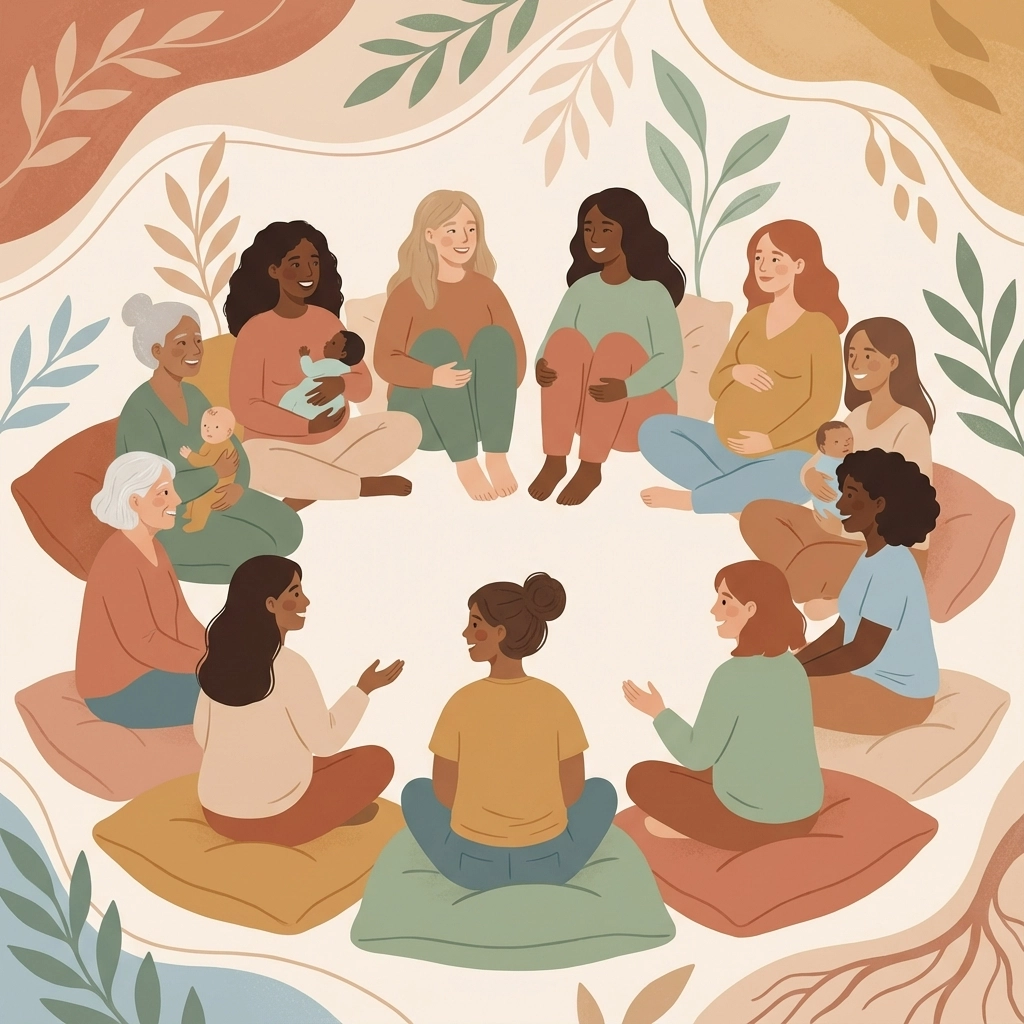
Sacred circles for mothers aren't just trendy they're essential. When you're going through motherhood transformation, having other women who understand the journey makes all the difference.
In sacred circles for mothers, you can:
Share the stuff you feel guilty even thinking
Get practical advice from mums who've been there
Feel less alone in your struggles
Celebrate small wins with people who get it
Learn self-care for new mothers that actually fits into real life
The research is clear: motherhood support through community connection doesn't just feel good – it literally changes outcomes for both mums and babies.
Simple Self-Care That Honours Your Matrescence
Self-care for new mothers in the context of matrescence looks different from pre-baby self-care. It's not about bubble baths (though if you can manage one, go for it). It's about motherhood rituals that acknowledge your transformation and honour where you are right now.
Ayurvedic self-care for mothers might include:
Warming foods that nourish your depleted system
Oil massage for your changing body
Breathing practices that calm your rewired nervous system
Motherhood rituals that mark your transformation
The key is starting small and being realistic. Five minutes of intentional breathing counts. Asking for help counts. Acknowledging that you're going through something massive counts.
What This Means for Your Journey Forward
Understanding matrescence doesn't magically make motherhood easier, but it does give you a framework for what you're experiencing. It helps you see that the discomfort, confusion, and transformation aren't signs you're doing it wrong – they're signs you're doing exactly what mothers have done for millennia.
Your motherhood transformation is unique to you, but you don't have to navigate it alone. Whether through matrescence coaching, sacred circles, or simply connecting with other mums who understand, support makes all the difference.
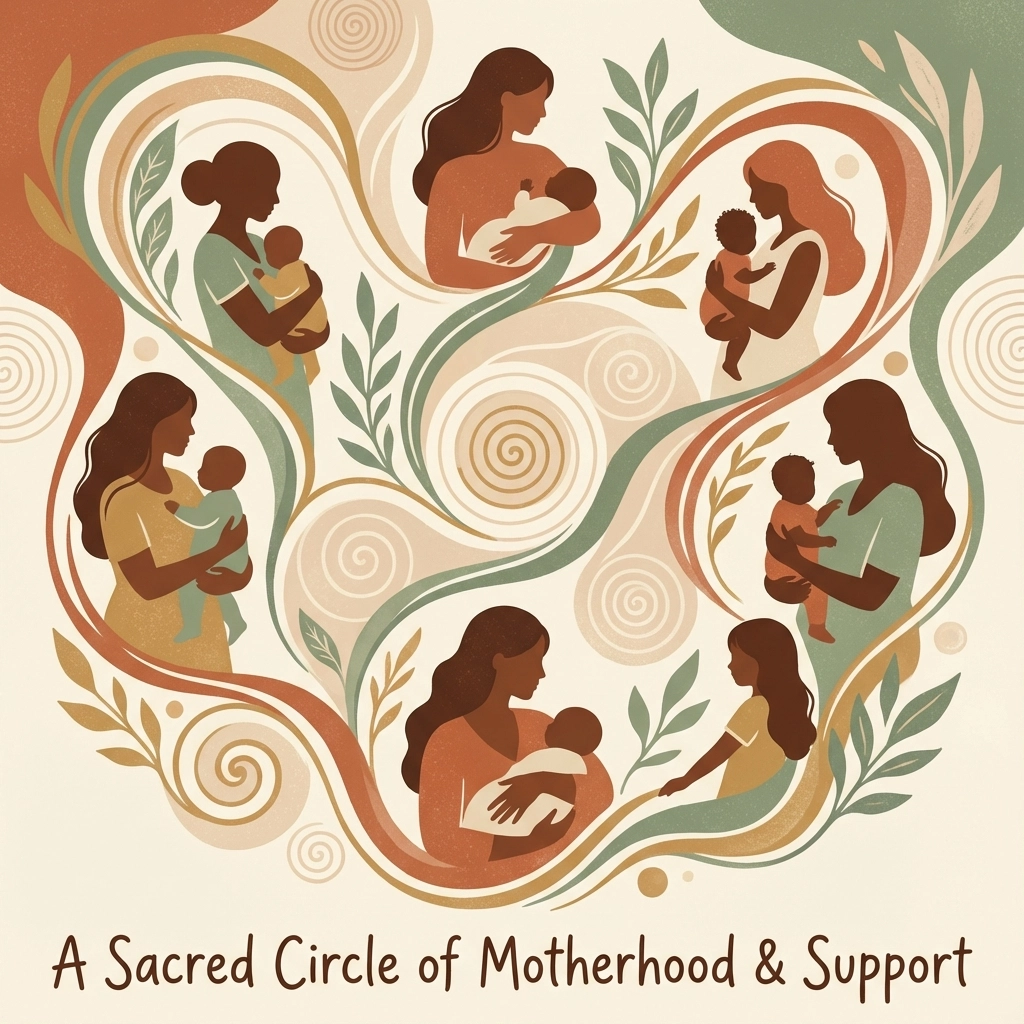
If you're feeling ready to honour your matrescence journey with proper support, consider joining one of our sacred circles for mothers where you can explore your motherhood transformation alongside other women who get it. Or if you're craving more individualised motherhood support, our 1:1 matrescence coaching combines ayurvedic wisdom with modern understanding to help you navigate this profound life stage.
Your matrescence matters. Your transformation matters. And you deserve support that honours the magnitude of what you're experiencing.
Ready to dive deeper into your motherhood transformation? Explore our Sacred Matrescence Journey or discover how ayurveda for mothers can support your unique journey.
Comments